New podcast, video content, and free courses aim to improve recognition of medication-induced harm
CHICAGO, IL, UNITED STATES, March 24, 2026 /EINPresswire.com/ — In recognition of National Adverse Drug Event Awareness Day today, March 24, an initiative supported by the American Society of Pharmacovigilance, the Medication-Induced Suicide Prevention and Education Foundation in Memory of Stewart Dolin (MISSD) is expanding its national education efforts to address medication-induced harm.
Adverse drug events—injuries caused by medications, including drug reactions and preventable medication-related errors—are a leading cause of death in the United States, yet remain widely misunderstood and frequently overlooked.
“Medication-induced effects can be mistaken for psychiatric conditions or worsening illness, leading to inappropriate treatment and missed opportunities to intervene,” said Wendy Dolin, founder of MISSD. “We see this frequently with akathisia.”
Akathisia is a medication-induced disorder characterized by intense inner restlessness and psychological distress that can become life-threatening if not recognized. In severe cases, it has been associated with self-harm, violence, and suicide.
Too often, families are left searching for answers after akathisia-related harm or death. Greater awareness of safer prescribing and monitoring practices can help improve patient outcomes.
Key considerations for prescribers include clearly communicating potential risks and benefits, reviewing a patient’s full medical history, and accounting for pharmacogenomic factors such as variations in drug metabolism.
Patients and caregivers are encouraged to ask whether a medication is appropriate for their condition and age, what symptoms may signal adverse effects, and what to expect if a medication needs to be reduced or stopped. When starting, stopping, or changing medications associated with akathisia, MISSD recommends identifying a trusted “medication buddy” to help monitor for unusual changes in thinking or behavior.
“Many adverse drug events are preventable,” said Dolin.
For more than a decade, MISSD has offered free e-learning courses and shared insights into how akathisia feels—and why it is underrecognized and mistreated. MISSD recently released a new episode of the Akathisia Stories podcast featuring the lived experience of an Oregon woman whose story underscores the risks of this public health crisis.
As part of its “50 in 5” akathisia awareness campaign, Oregon recently became the latest state to carry MISSD’s message through public awareness billboards.
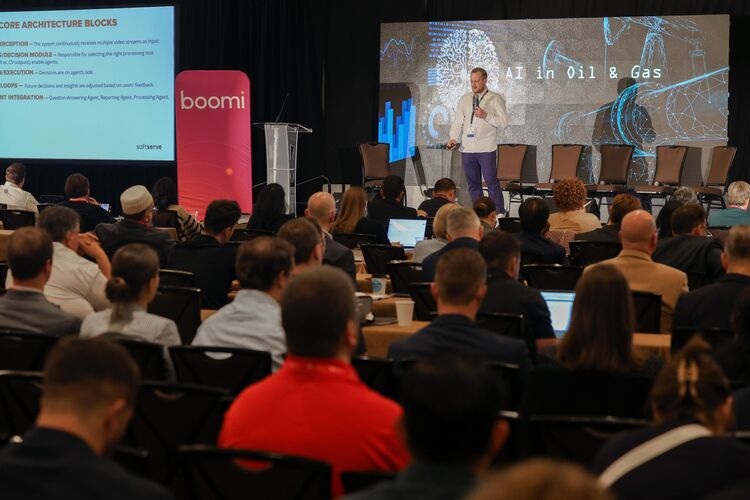
MISSD has also released new short-form video content and presented last week at the annual Psychotherapy Networker Symposium in Washington, DC, engaging clinicians on improving recognition of akathisia to reduce iatrogenic harm.
Kristina Kaiser
MISSD
email us here
Visit us on social media:
Facebook
YouTube
TikTok
X
Understanding Akathisia
Legal Disclaimer:
EIN Presswire provides this news content “as is” without warranty of any kind. We do not accept any responsibility or liability
for the accuracy, content, images, videos, licenses, completeness, legality, or reliability of the information contained in this
article. If you have any complaints or copyright issues related to this article, kindly contact the author above.